Whatever You Need to Learn About the L1 Intracompany Transfer Visa: A Comprehensive Overview
The L1 Intracompany Transfer Visa acts as a crucial device for multinational companies looking to rearrange crucial personnel within their united state procedures. With unique categories customized for managers and specialized knowledge staff members, this visa provides various possibilities. Navigating its complexities calls for an understanding of eligibility standards and prospective difficulties. As business consider this pathway, they must consider the benefits versus the obstacles that may occur in the application process.
Recognizing the L1 Visa Kind: L1A vs. L1B
When navigating through the intricacies of the L1 visa, it is necessary to recognize the distinctions in between both primary groups: L1A and L1B. The L1A visa is assigned for managers and execs that are moving within an organization to a united state workplace. This classification enables a much longer period of remain, with a first duration of three years, extendable up to 7 years. On the other hand, the L1B visa is planned for workers with specialized knowledge that are likewise moving to a united state branch. The L1B visa has a shorter first stay of three years, with expansions feasible up to 5 years. Both visa types satisfy of helping with intracompany transfers, yet they deal with different functions within the business framework. Understanding these differences is essential for employers and staff members seeking to browse the L1 visa process successfully.
Eligibility Requirements for L1 Visa Applicants
The qualification criteria for L1 visa applicants are essential for guaranteeing a smooth transfer procedure. To get approved for an L1 visa, the applicant has to have been utilized by the international company for at least one constant year within the last three years. In addition, the applicant must be entering the United States to operate in a managerial, executive, or specialized knowledge capacity.
For L1A visas, the focus is on executive and supervisory duties, while L1B visas accommodate those with specialized knowledge. The foreign and U.S. firms must have a certifying partnership, such as being parent firms, branches, subsidiaries, or associates.
In addition, the united state firm need to be able and operational to support the applicant's function. It is necessary for applicants to supply adequate documentation, showing their qualification and the business's structure, to promote the authorization process.
Advantages of the L1 Intracompany Transfer Visa
Among the main advantages of the L1 intracompany transfer visa is its capacity to assist in seamless international flexibility for staff members within international firms. This visa permits firms to move supervisors, execs, and specialized understanding employees to their united state offices with loved one simplicity. Additionally, the L1 visa frequently offers a longer period of keep contrasted to other nonimmigrant work visas, with preliminary periods of approximately three years that can be expanded.
One more significant benefit is the opportunity of dual intent, suggesting that L1 visa holders can request long-term residency while keeping their nonimmigrant condition. Moreover, the L1 visa does not need a labor certification, which can enhance the procedure for employers. This adaptability and efficiency make the L1 visa an eye-catching option for companies looking to improve their international procedures and take advantage of talent throughout borders.
The Application Process for L1 Visas
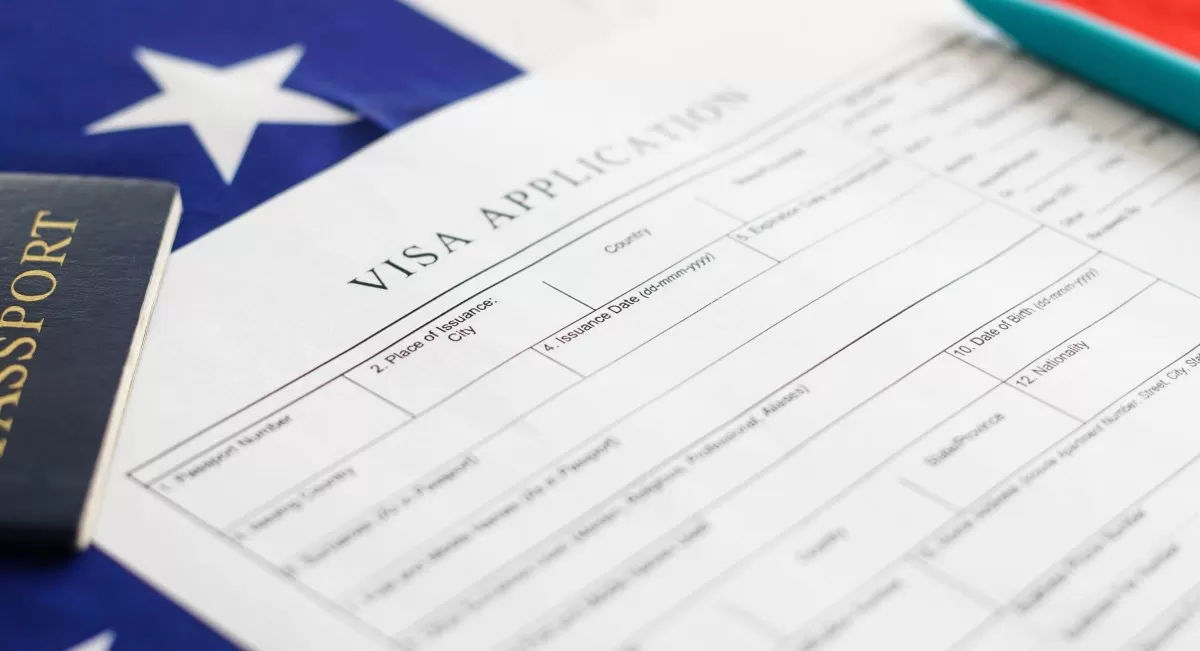
Navigating the application procedure for L1 visas calls for careful prep work and focus to detail, particularly offered the benefits outlined earlier. The procedure starts with the company filing Form I-129, the Request for a Nonimmigrant Employee, which have to consist of necessary documents showing the relationship between the U.S. and foreign entities. This documents typically makes up evidence of work, business framework, and the applicant's certifications.
Once the petition is authorized, the staff member may look for the L1 visa at an U.S. consulate or embassy, supplying further paperwork, consisting of the approval notice and a valid copyright. It is important for the candidate to get ready for their visa meeting, as consular policemans will certainly examine their qualification based on the submitted details.
Prompt submissions and adherence to guidelines greatly enhance the chances of a successful application, ensuring that both the employer and the staff member can gain from this critical immigration pathway.
Typical Obstacles and Limitations of the L1 Visa
What obstacles might applicants face when going across the L1 visa procedure? One substantial obstacle is the demand to demonstrate that the candidate has actually been utilized with the foreign business for at least one continuous year within the coming before 3 years. This can make complex matters for employees that just recently Go Here shifted to the moms and dad business or those with varying employment backgrounds. Furthermore, the L1 visa is subject to rigorous examination by U.S. Citizenship and Immigration Provider (USCIS), which can cause delays or rejections if documentation is insufficient or uncertain.
An additional constraint entails the failure to switch companies; L1 visa holders must stay with the sponsoring business. Additionally, the L1 visa is a momentary option, usually valid for one to three years, which might not align with a candidate's long-term residency goals. As a result, maneuvering with these obstacles calls for careful preparation and complete prep work.
Regularly Asked Questions

Can My Family Accompany Me on an L1 Visa?
Yes, an L1 visa holder can have their prompt household accompany them - L1 intracompany transfer visa. Spouses and children under 21 might obtain L2 visas, enabling them to live and examine in the USA together with the L1 visa holder
For How Long Can I Remain on an L1 Visa?
An L1 visa holder can initially stay for as much as three years. This period may be prolonged, with L1A visa owners qualified for a maximum of 7 years and L1B holders for 5 years in total.
Exists a Limitation on L1 Visa Renewals?
There is no particular limit on L1 visa revivals; nonetheless, the complete period of remain is topped. L1A owners can remain for a maximum of 7 years, while L1B holders are limited to 5 years.
Can I Switch Jobs While on an L1 Visa?
Changing work while on an L1 visa is normally not permitted. The visa is employer-specific, requiring the individual to keep work with the sponsoring firm, unless they obtain a brand-new visa under a different company.
What Takes place if My L1 Visa Is Denied?
If an L1 visa is refuted, the candidate may obtain a rejection notice detailing the factors. L1 intracompany transfer visa. They can appeal the choice, reapply with more powerful evidence, or check out alternate visa alternatives for entry
The find out this here L1 Intracompany Transfer Visa serves as a necessary device for international business looking to reposition essential personnel within their United state procedures. To certify for an L1 visa, the candidate should have been employed by the international business for at least one continual helpful site year within the last 3 years. For L1A visas, the focus is on executive and supervisory functions, while L1B visas cater to those with specialized expertise. The L1 visa is a momentary solution, commonly valid for one to 3 years, which may not line up with a candidate's long-term residency objectives. An L1 visa holder can initially remain for up to three years.